
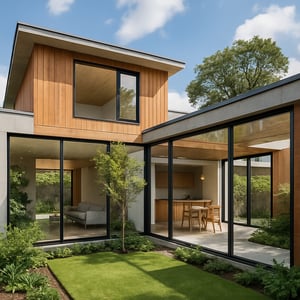
As we move further into 2026, the UK’s architectural landscape is evolving faster than ever. Driven by the need for more sustainable living, changing lifestyles, and a growing understanding of how thoughtful design can improve everyday life, architecture is no longer just about how buildings look — it’s about how they perform and how they make us feel. From sustainability becoming the expected standard rather than an added extra, to homes that tell a personal story, these shifts are redefining how we design for the future.
In this article, we explore four key architectural trends that are influencing the way homes are being designed — shaping spaces that respond to modern life, reflect how we live today, and are built to stand the test of time.

DESIGNING WITH A NARRATIVE
A strong home design tells a story. Not a gimmick — a clear sequence that guides you from arrival to living, and from public to private, consideration for light and shadow, warmth and calm. The “narrative” becomes the backbone of the plan and elevates day-to-day use into something intentional.
WHAT THIS LOOKS LIKE IN PRACTICE
- A deliberate journey: a sheltered entrance, a hallway that reveals a view gradually, a turn that opens into a bright living space.
- Zoning with purpose: quieter rooms placed away from street noise; social spaces arranged around daylight and garden connections.
- Moments of pause: window seats, widened landings, small courtyards — spaces that feel like punctuation marks.
HOW TO DESIGN IT WELL
- Start with how you want the home to behave: morning routines, entertaining, working from home, family time, quiet time.
- Use thresholds (changes in ceiling height, lighting, or material) to signal transitions.
- Design for seasonal narrative too: winter cosy zones, summer breezy routes, shaded outdoor rooms.
WHY CLIENTS LOVE IT
Narrative design is what turns a “nice layout” into a home that feels curated, calm and memorable — and it’s a great way to ensure your project reflects your lifestyle rather than generic floor planning. Your architect should spend time with you to discuss your needs and to get a clear understanding of what you want from your new home.
 FRAMING VIEWS
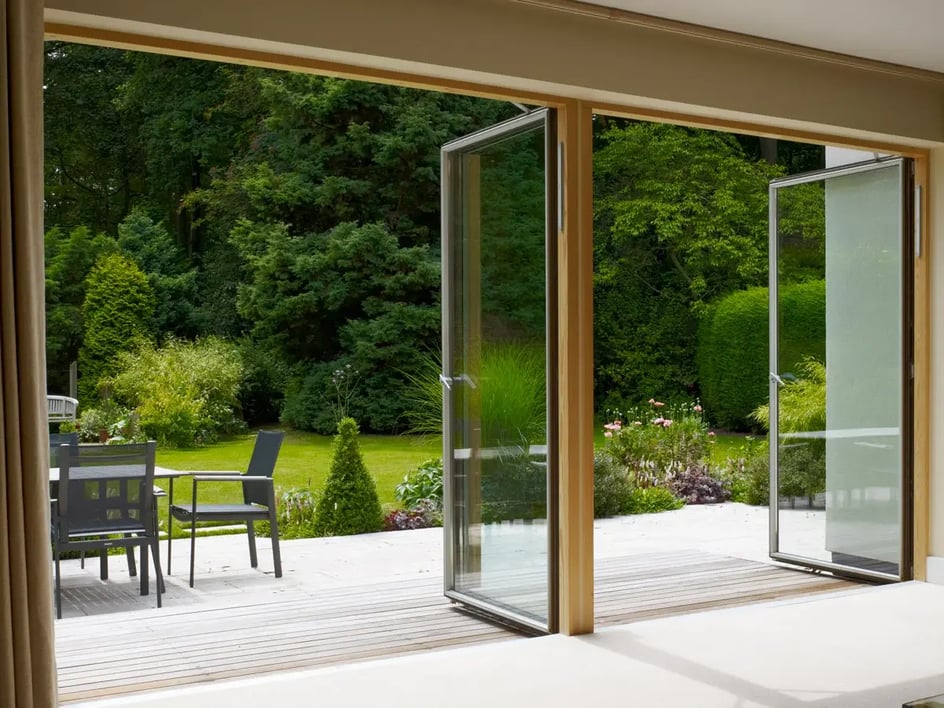
In 2026, windows are less about “bigger is better” and more about capturing the landscape. A framed view can make a modest plot feel expansive, bring calm into a busy life, and create visual privacy without closing the home off.
WHAT THIS LOOKS LIKE IN PRACTICE
-
Picture windows that align with a tree, skyline, garden feature, or distant horizon.
-
Corner glazing used sparingly to create a strong moment, not just more glass.
-
Internal view corridors: sightlines through the home to a courtyard or a slice of landscape.
-
High-level glazing to bring in sky light while controlling overlooking.
HOW TO DO IT PROPERLY
-
Frame views from where you’ll actually spend time: kitchen sink, dining table, sofa, desk, bath.
-
Consider overheating and glare early: orientation, shading, glass specification, and ventilation strategy matter as much as aesthetics.
-
Use planting and levels outside to “compose” the view (a view is designed, not found).
THE RESULT
A home that feels brighter and more connected to your surroundings — without relying on excessive glazing or compromised comfort.
.jpg?width=944&height=629&name=Gravenhillpostcard-1edited%20(1).jpg)
THINKING ABOUT A PROJECT IN 2026?
Whether you’re planning a self-build, extending a home, or upgrading a pre-loved property, we can help you turn these trends into a design that’s tailored, buildable, and future-ready.
These trends are not passing fads but rather a reflection of fundamental changes that are taking place within our approach to designing and constructing our environment. In our further exploration of what architecture can be, these trends can help us create meaningful, resilient, and beautiful spaces that last.
If you are thinking about creating your dream home in 2026, then get in touch with us to discuss your project.
