

Finding a plot of land is often the single biggest hurdle in any self-build project. Before design, before budgets, before construction — everything depends on securing the right site.
This article will explored the realities of finding land, the common pitfalls, and how to approach the process strategically. Finding a plot isn’t luck — it’s a structured and often lengthy process that requires the right approach from day one.

WHY FINDING A PLOT CAN BE CHALLENGING
Many self-builders begin their journey assuming plots are readily available. In reality, the opposite is true.
Demand for land across the UK continues to outstrip supply, particularly in desirable areas. This creates a competitive environment where:
-
Plots sell quickly
-
Prices are driven up
-
Opportunities are often secured before reaching the open market
This is why many successful self-build projects begin months — or even years — before a site is secured.
START WITH A CLEAR BRIEF
Before actively searching, it’s essential to define what you’re looking for. A clear brief will help you assess opportunities quickly and avoid wasting time on unsuitable sites.
This should include:
-
Your preferred location (and how flexible you can be)
-
A realistic overall budget, including land and build costs
-
The type of home you want to create
Being flexible — particularly on location — can significantly improve your chances of finding a viable plot.
UNDERSTANDING THE TYPES OF PLOTS AVAILABLE
Not all plots are equal, and understanding the differences can help you identify the right opportunity.
Some of the most common types include:
INFILL PLOTS– Land within existing residential areas, often with strong planning potential
GARDEN PLOTS – Subdivided land from existing homes, typically in suburban settings
BROWNFIELD SITES– Previously developed land, often with redevelopment potential
RURAL PLOTS – Higher risk but can offer significant design opportunities
SERVICED PLOTS – Easier to deliver but often come at a premium
Each comes with its own level of planning risk, cost implication and design constraint.
WHERE TO FIND LAND
A common mistake is relying solely on property websites. While these can be useful, they represent only a fraction of available opportunities.
A more effective approach combines multiple strategies:
-
Monitoring online plot portals and estate agents
-
Attending auctions
-
Speaking directly to landowners
-
Identifying underutilised land in your target area
-
Leveraging professional networks
In many cases, the best plots are never formally marketed.
ASSESSING A PLOT BEFORE YOU BUY
Finding land is only part of the process — understanding whether it is viable is critical.
Before purchasing a site, you should consider:
-
Planning policy and likelihood of approval
-
Access and highways constraints
-
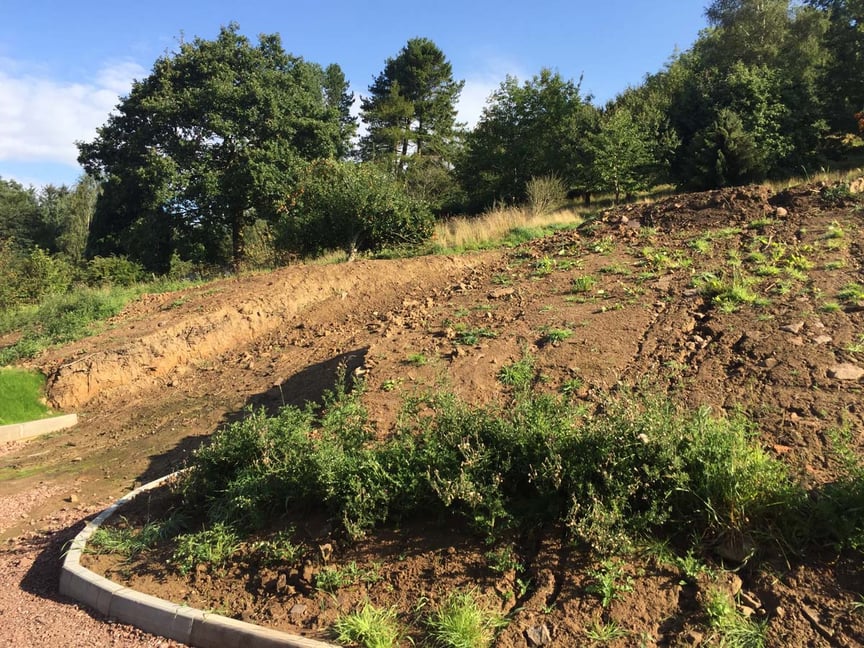
Ground conditions and topography
-
Availability of services
-
Impact on neighbours, including privacy and overlooking
This is where early input from an architect or planning consultant becomes invaluable.

COMMON PITFALLS TO AVOID
Some plots can appear attractive at first glance but carry significant hidden risks.
These include:
-
Sites without clear or legal access
-
Plots heavily constrained by planning policy
-
Locations affected by flood risk or poor ground conditions
-
Listings described as “subject to planning” with little supporting evidence
A lower purchase price often reflects higher risk — and potentially higher overall project costs.
WHY EARLY DESIGN INPUT MATTERS
Engaging an architect at the land stage is one of the most effective ways to reduce risk and unlock potential.
At Allan Corfield Architects, we regularly support clients before they purchase a site by:
-
Assessing planning feasibility
-
Advising on site constraints and opportunities
-
Developing early design strategies
-
Helping clients make informed decisions before committing
This early involvement ensures that the land you purchase is capable of delivering the home you want.
Every successful self-build begins with the right piece of land. If you’re currently searching for a plot — or considering a site and want professional input before committing — our team can help you assess its potential and guide you through the next steps.
For those ready to take the next step toward building their own home, contact us to discuss your project and how we can support you from the very beginning.
